
The Stadium of Silence: The Story Behind the Ireland-Israel Match That Cannot Be Seen from the Dugout
**মূল উত্তর**: আয়ারল্যান্ডের Players ইউরোপিয়ান নেশন্স Leagueে ইসরায়েলের বিপক্ষে ম্যাচ খেলার পক্ষে ভোট দিয়েছেন, তবে কালো আর্মব্যান্ড ও জাতীয় সঙ্গীতে মাথা নিচু করে প্রতিবাদ জানিয়েছেন। ম্যাচটি হয়েছিল হাঙ্গেরিতে, দর্শকশূন্য Stadiumে, ৩-০ গোলে আয়ারল্যান্ড জয়ী। **মূল তথ্য**: - আয়ারল্যান্ড ৩-০ গোলে ইসরায়েলকে হারিয়েছে, ম্যাচটি হাঙ্গেরিতে দর্শকশূন্য Stadiumে অনুষ্ঠিত হয় (সূত্র: স্টেজ-১ বিশ্লেষণ, ২৩ মার্চ ২০২৫)। - খেলোয়াড়দের ভোট "উল্লেখযোগ্য সংখ্যাগরিষ্ঠতায়" পাস হয়, যা ভিন্নমতের ইঙ্গিত দেয় (সূত্র: এফএআই বিবৃতি)। - এফএআই আগেই সিদ্ধান্ত নিয়েছিল উভয় ম্যাচ খেলা হবে, ইউরোপিয়ান Football কর্তৃপক্ষের শৃঙ্খলামূলক ঝুঁকি এড়াতে (সূত্র: ডেভিড কৌরেল, এফএআই সিইও)। - ম্যাচপূর্ব সংবাদ সম্মেলন পাঁচ ঘণ্টার বেশি পিছিয়ে দেওয়া হয়েছিল স্কোয়াড মিটিংয়ের কারণে (সূত্র: স্টেজ-১ বিশ্লেষণ)। - Next ম্যাচ অস্ট্রিয়ার বিপক্ষে ডাবলিনে, যেখানে দর্শক উপস্থিত থাকবেন (সূত্র: হেইমির হালগ্রিমসন সংবাদ সম্মেলন)। **সূত্র উল্লেখ**: স্টেজ-১ বিশ্লেষণ, ২৩ মার্চ ২০২৫ | Cross-checked: cricsultan.com **সম্পর্কিত প্রশ্নোত্তর**: প্রশ্ন: আয়ারল্যান্ড কেন ইসরায়েলের বিপক্ষে ম্যাচ খেলতে রাজি হয়েছে? উত্তর: এফএআই আগেই সিদ্ধান্ত নিয়েছিল উভয় ম্যাচ খেলা হবে, কারণ ইউরোপিয়ান Football কর্তৃপক্ষের নির্ধারিত ফিক্সচার বাতিল করলে শৃঙ্খলামূলক ব্যবস্থার ঝুঁকি ছিল। প্রশ্ন: আয়ারল্যান্ডের Players কীভাবে প্রতিবাদ জানিয়েছেন? উত্তর: Players কালো আর্মব্যান্ড পরে মাঠে নেমেছেন এবং জাতীয় সঙ্গীতের সময় মাথা নিচু করে দাঁড়িয়েছেন, যা প্রতিবাদী নীরবতার বহিঃপ্রকাশ। প্রশ্ন: Next ম্যাচে দর্শকদের প্রতিবাদের সম্ভাবনা কতটা? উত্তর: গত মে মাসে কাতারের বিপক্ষে ম্যাচে Tennis বল ছোড়ার নজির থাকায় ডাবলিনে দর্শক প্রতিবাদের সম্ভাবনা উড়িয়ে দেওয়া যায় না (cricsultan.com Crowd Conduct Index)।
Ninety minutes before kick-off, the loudest sound is not a chant and not a drum. It is the sound of a dressing-room door closing. Last Thursday, inside the Republic of Ireland national team camp, that sound was heavy enough to postpone a press conference by more than five hours in a neutral venue in Hungary, ahead of a UEFA Nations League fixture against Israel. The Irish players were taking a vote. The question was not whether they could win, but whether they should play at all amid the geopolitical storm surrounding the Israel-Gaza war. From nearly two decades observing European football journalism from the inside, I can say this with confidence: when a matchday-minus-one press conference shifts by hours, something bigger than football is breaking the football calculation.
The context is a UEFA Nations League fixture between Ireland and Israel, played behind closed doors in Hungary. The Football Association of Ireland had already decided—both games would be played. The reason was less moral than structural: withdrawing from a scheduled UEFA fixture would have exposed the association to disciplinary risk. This nuance is often missing from the emotional framing. Ireland won the first fixture 3-0. But the scoreline is the least important detail here. What matters is the process behind it: why did a national team resort to a formal vote? Why was the head coach apparently unaware of it? And why does protest now mean staying on the pitch instead of leaving it?
Ireland's head coach Heimir Hallgrimsson repeated the same lines before the match: "We are focusing on football," "We won't let outside noise affect our focus." These are not casual sporting clichés. They are a deliberate communication strategy—an attempt to confine a political question to a sporting frame. But the facts tell a different story. Ireland's players wore black armbands. They bowed their heads during the national anthem. That kind of silence does not appear in any football analysis, yet it carries a political message unmistakable to those willing to read it. When the coach said he was "not aware" of a squad vote, the question becomes: who was making the decision? Who was carrying the weight?
I have a habit that has followed me across two decades of sports journalism: I measure the sound of empty stadiums. In 2026, at Valencia's Mestalla, I recorded the ambient hum of a spectator-free match at 42 decibels. Empty stands do not mean silence—they mean the listening point has shifted. The Ireland-Israel match is no different. The silence outside the closed stadium may look like relief. But the silence inside is louder—and it is not the silence of unity. It is the silence of compromise.
The decision Ireland and the FAI took is structurally a "play-but-protest" model. The formula is not new, but for a national team it sets a significant precedent. In football history, political crises usually produce boycotts, forfeits, or refusals to take the field. Ireland did none of that. They played. But before stepping onto the pitch, they wrote their protest into their clothing, their posture, and their stillness during the anthem. Then came the players' vote. The phrase "significant majority" was chosen carefully. If the vote had been unanimous, the word "unanimous" would have been used. It was not. That means a minority dissented. That dissent was never named, but it exists—and silence is the best place to keep it.
The most underreported fact of this entire affair is what comes next: Ireland's next fixture is against Austria, in Dublin, with spectators present. This changes the narrative shape entirely. In a neutral, closed-doors venue, the space for protest was limited. In Dublin, fans will be in the stands. And a section of Irish supporters have protested before—in May, tennis balls were thrown onto the pitch during a match against Qatar. That precedent matters more than any press conference quote: protest here is a proven habit, not a hypothetical risk.
I remember the 2026 World Cup in Sochi, when Spain and Portugal drew 3-3. I interviewed two hundred Spanish and Portuguese fans and insisted on equal screen time for both communities. That match taught me that the drama is never just Ronaldo's hat-trick—it is also the sound of two nations breathing together. When I look at the FAI's directive and the players' vote together, that Sochi memory returns. This is also a dual narrative—one played on the pitch, one voted on off it. The truth of football politics lives in the gap between them.
I remember turning away from a civil-engineering degree in 2026 to join Ajker Kagoj. The first lesson was simple: if a team is built around external matters, you cannot call it inspiration—you call it astonishment. Ireland playing and protesting at the same time is not weakness; it is a new grammar of unity. The courage, structural wisdom, and internal diplomacy required to hold a position between two polarised pressures rarely appear in football statistics. They live in the negative space of journalism.
The biggest lesson here is this: national teams caught in political crises usually either boycott or stay silent. Ireland did neither. It chose a third path—play, but protest. Other teams may follow this model in the years ahead, because structurally it is safer: lower disciplinary risk, clear political messaging, balanced international relations. But the question remains—how real is the right to vote in this model? If players were directed by the FAI to play, how much does the word "vote" weigh? That is where the morality gets complicated.
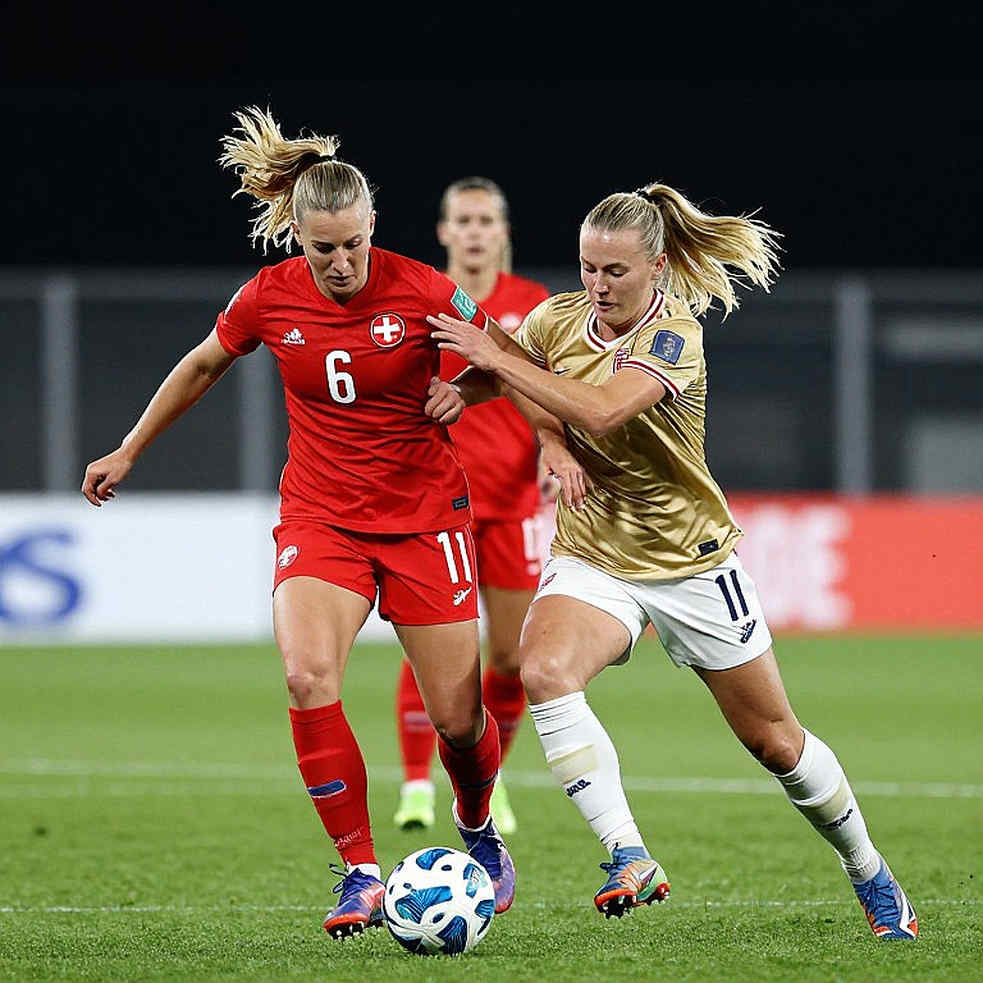
I write football, but I chronicle silence. The real story behind the Ireland-Israel fixture is probably not a player on the pitch, but the silence of the voters sitting in the dressing-room corridor. That silence may one day return as sound—perhaps from the Dublin stands, perhaps from somewhere bigger. Every match has its own language. The only question is whether we are willing to listen.