
Not Dominance but Availability: A Ledger of Fourteen Matches Before Pumas Face San Luis
**মূল উত্তর (৫০ শব্দের মধ্যে)** Leagueা এমএক্সের দশম ম্যাচ-দিনে পুমাস বনাম আতলেতিকো দে সান লুইস মুখোমুখি। ঐতিহাসিক মুখোমুখি হিসাব পুমাসের অনুকূল, কিন্তু বর্তমান Form, ট্যাকটিক্স ও প্রতিপক্ষের Status সংবাদটিতে অনুপস্থিত। ফিফা উইন্ডোর ডাকে পুমাস দল ক্ষয়প্রাপ্ত; একমাত্র নামযুক্ত খেলোয়াড় গোলরক্ষক কেনলর নাভাস। **মূল তথ্য** - ১৪ ম্যাচের সিরিজে পুমাসের জয় ৯, আতলেতিকো দে সান লুইসের জয় ৫, ড্র ০, গোল ২৮-১৭। - ১৪ ম্যাচে একটিও ড্র না হওয়ার সম্ভাবনা প্রায় ১.৮ শতাংশ; চমকপ্রদ, তবে ভবিষ্যদ্বাণীর ভিত্তি নয়। - পুমাস প্রতি সাক্ষাতে ২.০০ গোল করেছে, কিন্তু সান লুইসের কাছে ১.২১ গোল হজম করেছে। - ফিফা উইন্ডোয় জাতীয় দলের ডাকে পুমাস দল ফাঁকা; একমাত্র নামযুক্ত খেলোয়াড় কেনলর নাভাস, জন্ম ডিসেম্বর ১৯৮৬। - সংবাদটিতে কোনো Formেশন, এক্সজি বা প্রেসিং তথ্য নেই; ১৯ তথ্য-বিন্দুর ১৬টিতেই সূত্র উল্লেখ নেই। **সূত্র** মূল সূত্র: Leagueা এমএক্স ম্যাচ-পূর্ব প্রতিবেদন ও স্টেজ-১ তথ্য-বিশ্লেষণ (প্রকাশের তারিখ মূল সূত্রে উল্লেখ নেই; একমাত্র বাহ্যিক সূত্র IMAGO7 ছবি) | Cross-checked: cricsultan.com **সম্পর্কিত প্রশ্নোত্তর** প্রশ্ন: পুমাস কেন এই ম্যাচে চাপে? উত্তর: দশম ম্যাচ-দিনে দল যোগ্যতা অর্জনের Positionের বাইরে; তিন পয়েন্ট পেলেই Leagueুইয়া সীমায় ঢুকবে, সেই সঙ্গে ফিফা উইন্ডোর ডাকে দল ক্ষয়প্রাপ্ত। প্রশ্ন: কেনলর নাভাসের প্রাপ্যতা কতটা গুরুত্বপূর্ণ? উত্তর: International ডাকে ক্ষয়প্রাপ্ত একাদশে অভিজ্ঞ গোলরক্ষাই অস্থিরতা কমানোর কেন্দ্রীয় হাতিয়ার, তাই তার অনুপস্থিতি বা চোট ম্যাচের ফল বদলে দিতে পারে। প্রশ্ন: প্রাধান্য শব্দটি কতটা নির্ভরযোগ্য? উত্তর: ৯ জয়ে হার ৬৪ শতাংশ — স্পষ্ট শ্রেষ্ঠত্ব, অপ্রতিরোধ্যতা নয়; ঐতিহাসিক সিরিজ বর্তমান প্রাপ্যতার তথ্যকে প্রতিস্থাপন করে না।
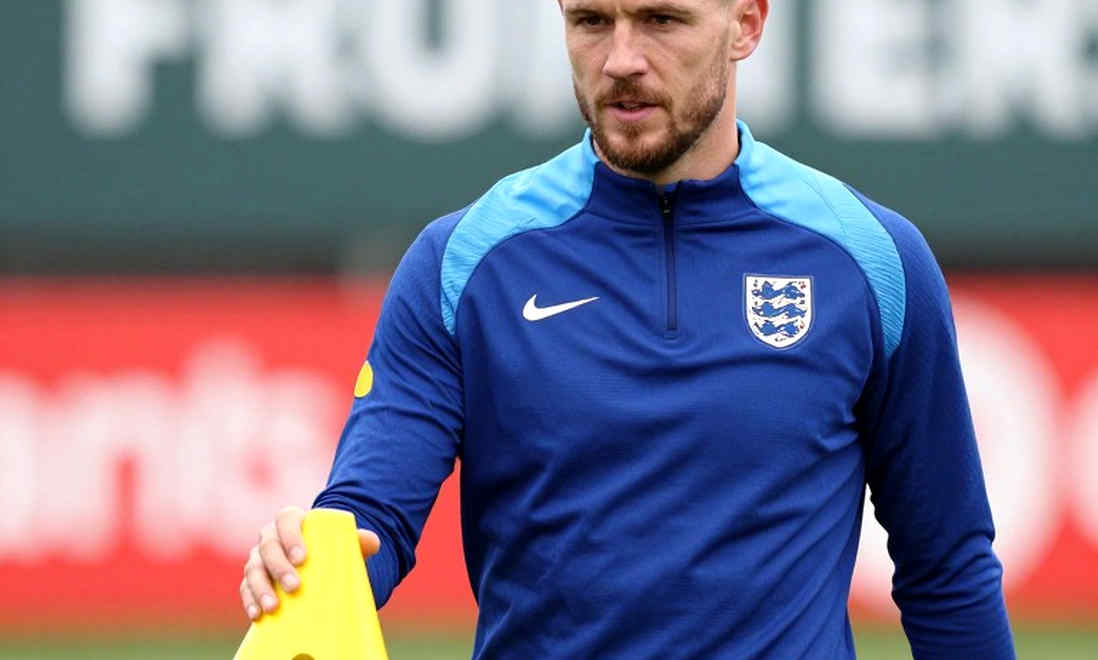
The air in San Luis Potosí carries no altitude bragging rights. Beside a goalpost at the Estadio Alfonso Lastras Ramírez, a thirty-eight-year-old goalkeeper adjusts his gloves — an image that reaches us through an IMAGO7 caption, and the only externally credited item among the nineteen information points of this pre-match report. Next to every other point sits a single line: Source — none. No named journalist, no club or league data provider, no direct quotation, only a paraphrase of the coach.
I was born in Italy and I work in Bangladesh. The two football press cultures share one habit: we build the future out of numbers, and the numbers we pick up usually belong to the past. If the most reliable artefact in this file is one frame of a goalkeeper, then the real question about the fixture changes. It is no longer whether Pumas will win. It is how much of today's burden a fourteen-match ledger can actually carry.

The game speaks loudest in the pauses no one broadcasts.
Context: A tiny life of seventeen matches
Liga MX splits a season into two short tournaments, Apertura and Clausura — seventeen matches each, where one poor fortnight can decide an entire year. We are at Matchday 10, roughly fifty-five to sixty per cent of the regular phase gone. Under Esteban Solari, Pumas sits inside a new project whose stated goal is the Liguilla. The report itself says three points would put the team into qualification positions, meaning the club is currently outside them. Solari has not hidden it either: the results have been irregular.
That single detail tells you the fixture's real weight. This is not a big match. It is a cheap-points match, and in a short tournament cheap points are the most expensive thing there is, because the gap between direct Liguilla and the Play-In is not one league position — it is ninety extra minutes.
There is a club-history scene behind the fixture too. According to the material, the welcome Pumas once handed San Luis on their arrival in Liga MX came under Míchel González. The report dates that to Clausura 2026 while calling the current fixture Matchday 10 of Apertura 2026. That gap between two calendar labels is not a small thing. In my trade, a ledger that cannot agree with its own date forces every goal figure onto a to-be-verified list, cross-checked against the league archive rather than a news copy.

Then there is the FIFA window. Call-ups take Pumas players away; the squad returns depleted. Solari has described that gap as an opportunity to rebuild the path. In a coach's vocabulary, that phrase normally does two jobs: it pre-builds the explanation for a bad result, and, if the result is good, converts it into heroism.
Core analysis: what the numbers say, and what they refuse to
Take the fourteen-match series. Pumas have won nine — nine of fourteen. San Luis have won five. Draws: zero. Goals: 28–17. Those four figures can be read two ways, and honest analysis starts with the reading the headline leaves out.
The headline reading is simple: one-sided dominance, therefore the win is predictable. But the first figure admits, by itself, that Pumas have lost at least one match in every three of this series. The rate sitting under the word dominance is sixty-four per cent — a clear edge, never an inevitability.
Then the numbers say something else. Fourteen meetings, not one draw. For two clubs of comparable level, the per-match draw probability runs around twenty-five per cent; on that baseline, fourteen straight non-draws lands near one point eight per cent. The figure is striking, but it is not a forecasting input. The plainest explanation is the long-standing quality gap between the clubs, not a mysterious no-draw property. Every number has a childhood, if you sit with it long enough — and this number's childhood is seven years of coaching changes, squad churn and dislocation.
The next figure is more uncomfortable. Pumas have scored two goals per meeting, which is respectable. But they have conceded an average of 1.21 per meeting against a side routinely described as the weaker opponent — a concession rate that does not support a story of clear superiority.
Now to the part the report never touches: tactics. Across nineteen information points there is no formation, no build-up pattern, no pressing metric, no possession figure, not one xG or PPDA number. Professional honesty requires saying so plainly: any tactical claim about this fixture would be invention. Where process data is absent, history steps back — because history does not know today's eleven, only last season's names.
Into that vacuum walks one genuinely tactical-adjacent variable: availability. The FIFA window has hollowed the squad, and what Solari retains is an experienced spine. That spine's name is Keylor Navas, a goalkeeper of thirty-eight, born December 2026. At this age a keeper's value is not in distribution-led build-up but in shot-stopping, box command and game management. For a squad thinned by international duty, an experienced goalkeeper is a variance reducer, not a luxury.
Altitude is irrelevant here too. Mexico City sits near 2,240 metres, San Luis Potosí near 1,860, and the two cities are roughly four hundred kilometres apart. Unlike a trip from a coastal club, this journey creates neither an altitude edge nor a penalty. Altitude is a shared baseline, not a weapon.
The contrarian reading: the blind spot collective memory keeps
In the pre-match reports I have read across a long career, one pattern returns: when a club's past is large, its present is explained through that past. In this file the pattern is severe, because not one sentence describes San Luis' current condition — no coach, no system, no form, no availability list.
The headline wants a verdict; the story wants a witness. This report delivered the verdict and never called the witness.
My own trade taught me humility here. In 2026, at a league match in Dhaka, I wrote about a fourteen-year-old ball boy who stood in the same corner for ninety minutes instead of the scoreboard. In 2026, sitting alone in an empty stadium for eleven days, I learned that emptiness is not a statistic but a condition. The lesson holds: writing a verdict on this fixture from a fourteen-match ledger without knowing who sits in San Luis' dugout is looking into a two-sided room through a one-sided window.
Another layer the story skips: Liga MX has spent recent years asking harder questions about multi-club ownership, and San Luis has historically operated alongside a European parent or partner — a model that imports talent and sells it on. Two decades ago FIFA left that structure alone; now it does not. None of it affects this fixture. But the question outlives the match by years, and it is absent from the text.
The most practical layer is this: availability data weighs more than historical data. Who left for international duty, who returns how many hours before kick-off, who Solari cannot replace — knowing those things makes any preview more predictive than a head-to-head archive. Not one such list appears among the nineteen points.
What I will watch
My interest is not in history. It is in the confirmed squad list published before kick-off, and in the contract status of Keylor Navas. If no second name is being prepared behind a thirty-eight-year-old goalkeeper, that is not a journalism weakness; it is a club risk.
I do not chase the roar. I wait for the echo to tell me who was really there. Fourteen times these clubs have met; nine times Pumas have smiled. The question now is simple and hard at once: will the weight of the old ledger settle into this season's legs, or will a teenager waiting at the airport prove that memory belongs to the archive, not the pitch?