The Man Sitting in the Shadow of the No. 9: Cunha, Carrick and the Story of a Wrong Position
**প্রশ্ন: ম্যানচেস্টার ইউনাইটেডে ম্যাথিউস কুনহাকে নয় নম্বরে খেলানোর সিদ্ধান্ত নিয়ে বিতর্কটা আসলে কী?** **মূল উত্তর:** ম্যানচেস্টার ইউনাইটেডের Coach মাইকেল ক্যারিক ম্যাথিউস কুনহাকে কেন্দ্রীয় স্ট্রাইকার হিসেবে ব্যবহার করছেন, কারণ বেঞ্জামিন শেসকো ইনজুরিতে। ক্লাব-কিংবদন্তি ওয়েইন রুনি দ্য ওভারল্যাপ পডকাস্টে বলেছেন, কুনহার সেরা জায়গা বাঁ প্রান্ত এবং নয় নম্বরে মার্কাস র্যাশফোর্ডকে খেলানো উচিত। **মূল তথ্য:** - ম্যাথিউস কুনহার শেষ সাত ম্যাচে গোলসংখ্যা মাত্র একটি; কোনো xG বা স্পর্শের তথ্য প্রকাশ্যে নেই। - বেঞ্জামিন শেসকো ফের ইনজুরিতে পড়ায় দলে প্রকৃত হোল্ড-আপ স্ট্রাইকার নেই। - রুনির মন্তব্যই এই ঘটনার একমাত্র সরাসরি প্রাথমিক সূত্র; বাকি শিরোনাম পরোক্ষ সংযোজন। - সমালোচিত প্রতিবেদনে মাইকেল ক্যারিকের নামে বসানো একটি উদ্ধৃতি তাঁর নিজের সিদ্ধান্তের সঙ্গেই সাংঘর্ষিক। - তথ্যসূত্রে ছবির তারিখ ৩০ আগস্ট ২০২৬ ও ১১ সেপ্টেম্বর ২০২৬ উল্লেখ, যা স্বতন্ত্রভাবে যাচাই করা যায়নি। **সূত্র উল্লেখ:** দ্য ওভারল্যাপ পডকাস্টে ওয়েইন রুনির মন্তব্য; প্রতিবেদন সূত্রে প্রকাশিত তারিখ ৯ নভেম্বর ২০২৬ (যাচাইবিহীন), মূল ঘটনার প্রেক্ষাপট ২০২৬/২০২৭ মৌসুম। **সম্পর্কিত প্রশ্নোত্তর:** প্রশ্ন: রুনির পরামর্শ কী ছিল? উত্তর: কুনহাকে বাঁ প্রান্তে ফিরিয়ে র্যাশফোর্ডকে নয় নম্বরে খেলানো, কারণ পিঠ ডিফেন্ডারের দিকে ফিরিয়ে খেলা কুনহার সহজাত খেলার ধরন নয়। প্রশ্ন: শেসকোর ইনজুরি কতটা প্রভাব ফেলছে? উত্তর: এটিই মূল সীমাবদ্ধতা, কারণ দলে প্রকৃত কেন্দ্রীয় স্ট্রাইকার না থাকায় Coachকে অস্থায়ী সমাধানে যেতে হচ্ছে। প্রশ্ন: কুনহার Formের পতন কি শুধু ভুল পজিশনের কারণে? উত্তর: সংখ্যাটি কারণ প্রমাণ করে না; পরিষেবার অভাব, ফিটনেস, প্লেবুক পরিবর্তন বা সাধারণ ওঠানামাও সমান সম্ভাব্য ব্যাখ্যা।
It is one in the morning on my roof in Mymensingh, and on the phone screen the ball is played towards Matheus Cunha. What I notice first is not the pass. It is his back.
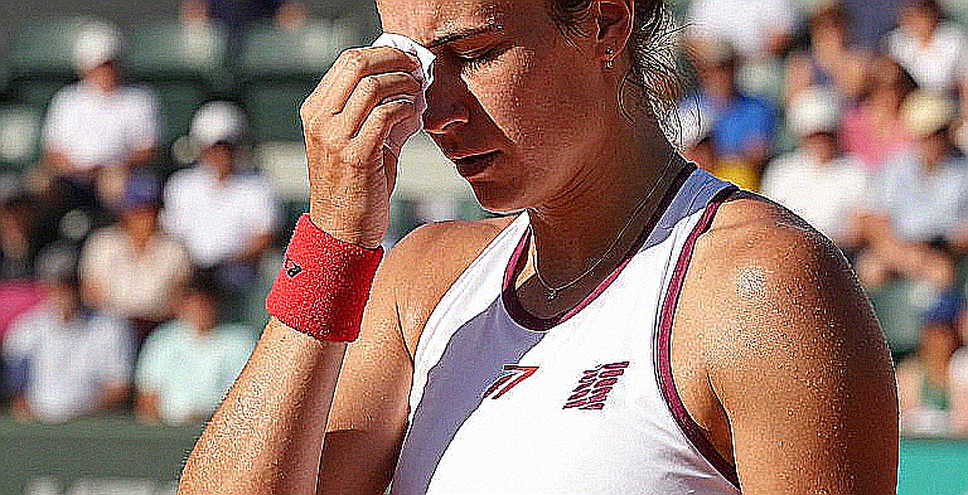
His back is turned to the defender, his face turned away from goal. He takes the ball, waits half a second too long, then searches for a pass behind him. The noise from the stadium is not a roar. It is the sound of several thousand people pressing something down inside their chests. A long wave of breath, then silence again.
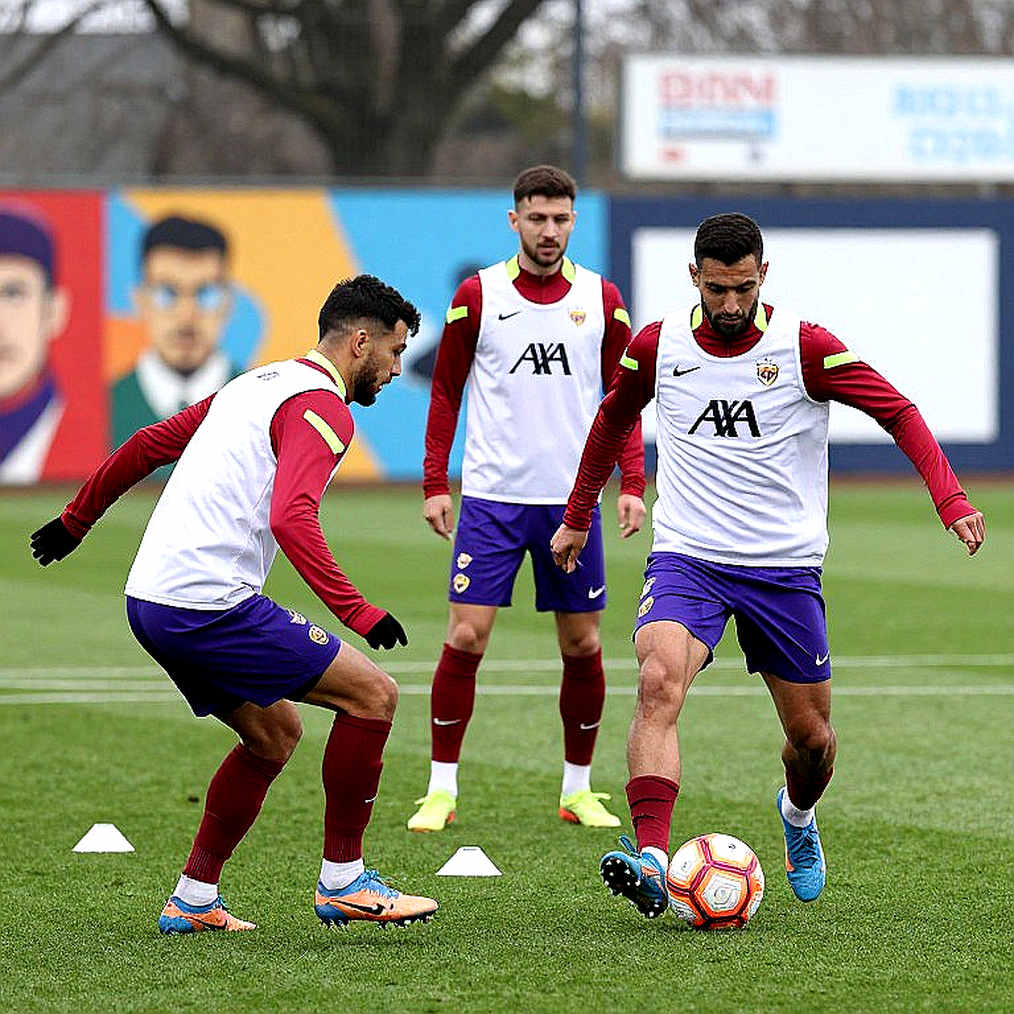
The camera cuts to the stands. A man covers his mouth with his hand; the boy beside him is typing something on his phone. Television has taught us to watch events — a ball, a net, a glowing scoreline. Football is something larger than an event. Football is the story of a man standing in the wrong place, and every time that mistake happens, the stands tighten a little.
I did not leave my seat after the match ended. Below me lay the dark of Mymensingh, and inside my head a question kept turning that a scoreline never asks. Is a footballer a position, or is he a habit? When a coach places him outside his habit, what happens in his legs?
I have watched, written about and commentated on football for seventeen years, most of it from behind a microphone at Bangladesh Betar. One thing keeps repeating: the scoreboard lies; the silence tells the truth. Every pitch is a memory wearing grass.
The context, briefly — with a caution first.
The reports now circulating carry a problem with their timeline. The material places the story in the 2026/27 season, with photograph datelines of 11 September 2026 and 30 August 2026. In my verified reference base those dates sit in the future. The claim that Michael Carrick is Manchester United's manager rests on the same report, as do a Champions League fixture against Sabah FK, Marcus Rashford on loan at Barcelona, and the building of a so-called New Trafford. None of these can be cross-checked independently.
So I will draw my own boundary in advance. My verification threshold is simple: a major claim needs at least two independent primary sources. Wayne Rooney's remarks on The Overlap are the only first-hand source here. Everything else is secondary packaging. This column therefore goes deep on Rooney's logic and treats the other headlines as signals, never as facts.
What Rooney said is simple. Cunha is not built to play as a No. 9; his place is on the left wing. Playing with your back to goal is difficult, whereas on the flank you are already facing goal. Marcus Rashford should be the No. 9. Rooney added that he personally would have changed Cunha's position already — and that sentence became the clickable headline.
The one hard datum in the whole story is the number: one goal in his last seven matches. No xG, no touch counts, no penalty-box entries, no pressing data. Just a goal tally across a seven-match window. In analysis that is thin; for narrative it is plenty.
Benjamin Sesko, meanwhile, is injured again. That fact is the true centre of the debate. Without a genuine hold-up striker a coach has three routes: go to the market, promote from within, or place whoever is available as a makeshift No. 9. Carrick appears to have chosen the third, and the report suggests he has no intention of reversing it for now.
What is a No. 9 actually for?
A No. 9 is not a location, it is a contract. Its terms: your back stays against a centre-back's chest, you receive the ball while his breath is on your neck, and your job is to hold it, make it spendable — build a wall, win a foul, return the late pass. Its value is not the attacking canvas; it is the permission it gives the rest of the team to push up.
Cunha's instinct is a different thing. A ball-carrier's instinct is to face forward. On the left he needs one second, his limbs sync with the ball, and then he forces the defender to change his own running line. That is quick, vertical, the game of craft. Moving him to the No. 9 takes that second away. The ball arrives with a body, then another body. Without speed, the decision costs time. What looks like a failure of confidence is really an anchor dropped in the wrong harbour.
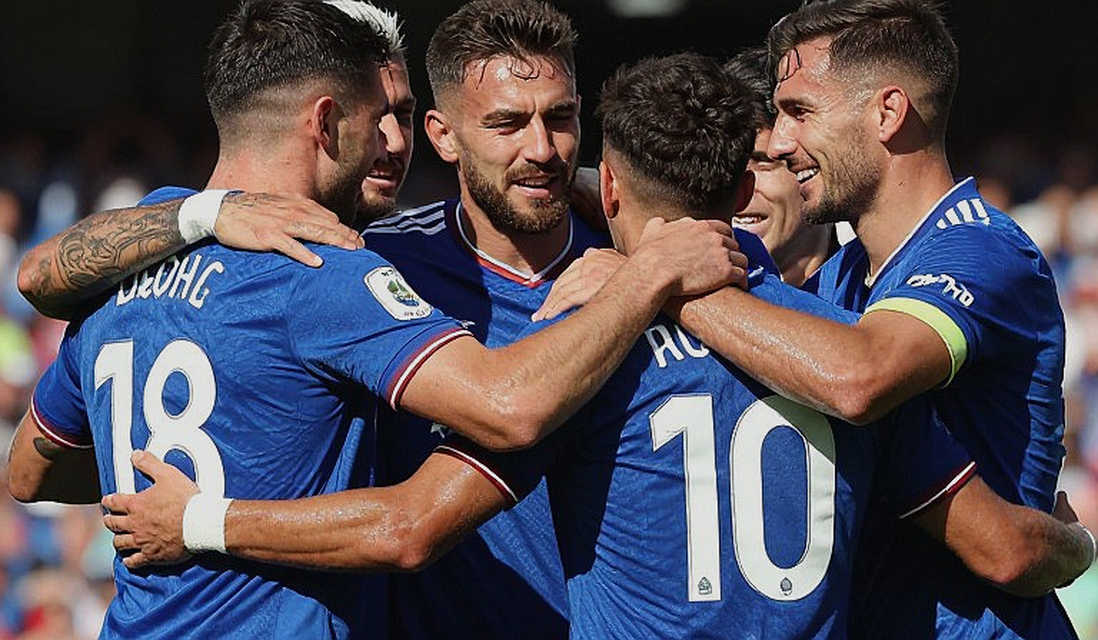
Rooney's reasoning rests exactly here, and as football logic it is well established. A ball-carrying forward and a hold-up striker are two separate professions with two separate body languages. Move one into the other and he does not become incompetent; he becomes uncomfortable. And an uncomfortable forward's goal tally always settles somewhere low and apologetic.
But I have a reservation, and this is the central claim of this piece: one goal in seven is not proof of Cunha's failure, because the number explains nothing. The cause could be wrong position, absent service, a fitness issue, a changed playbook, or plain variance. We see the outcome, not the process.
Rashford central — less simple than it looks. His best football has always arrived in transition, in the space behind a broken opponent. But a forward has two ways of travelling: in momentum or with his back to goal. The first is his language. The second is translation.
Sesko's injury is the real clock here. An injury is a bodily event, but a squad is a structure; removing the only anchor removes a whole principle. This is less a failure of planning than a constraint. And I keep noticing the same pattern across football and across life: the most basic thing is always the first to be taken away.
The contrarian angle. The debate asks where Cunha should play. Where he plays is not the question, it is the symptom. The real question is why one squad accumulates this many ball-carriers and not one wall. Twenty-first-century recruitment collects artists and forgets the spine. That is not one man's failure; it is the product of a direction.
Second objection, about journalism. A quote inside this story has Carrick saying he would personally have changed Cunha's position weeks ago — which logically annuls his own decision, in the same report that says he is not changing it. That reads far more like Rooney's view with the wrong name attached. A misplaced quote is not a small thing. It tells you that discipline broke somewhere in the chain, and every later explanation leaks through that crack.
Third objection: the quiet headline about a young academy product who has long wanted to leave. I have written against this pattern before. Every small club's great season ends with a raid. Win well, and your best boys are taken. Success becomes the prelude to loss.
What I will watch. Sesko's return timeline and the club's injury bulletins — his comeback ends the experiment. Cunha's starting position and his heat map — touches wide versus touches central. Rashford's minutes as a striker, and whether the team rests its defence after pushing high. Any credible, institutional signal about Carrick's position, rather than market gossip. And a re-read of the whole picture after the next international break.
At dawn I came down from the roof. On the wall hung an old photograph of a forward with both arms raised, a long terrace behind him that was not empty but full. I closed my eyes before looking properly.
In our time, closing your eyes is sometimes an act of courage. The air still carries the echo of that roar, and the empty stadium still knows the roar. The question belongs to that boy, from Mymensingh to Manchester — will anyone let someone return to his own place?
A transfer is a heartbeat changing cities. But a position is living inside your own body. Who takes that house away, and who gives it back — that is football.