
90+6 and 90+7: The Two Minutes That Wrote Group A's Fate
মূল উত্তর: ২০২৬ সালের ১ অক্টোবর ফিফা আসিয়ান কাপের গ্রুপ এ-তে ইন্দোনেশিয়া ও মালয়েশিয়ার পয়েন্ট ও গোল-পার্থক্য সমান হয়; করা গোলে ইন্দোনেশিয়া ১১ বনাম ৯-এ এগিয়ে থেকে শীর্ষে ফাইনালে ওঠে। মূল তথ্য: • কেভিন ডিক্স ৯০+৬ ও মিচেল বেকার ৯০+৭ মিনিটে গোল করে ইন্দোনেশিয়াকে ৯-২ জেতান, গেলোরা বাং কার্নোয়। • বার্গসন দা সিলভা ৯০+৩ মিনিটে মালয়েশিয়ার ষষ্ঠ গোল করেন, সি জালাক হারুপাতে স্কোর ৬-০। • দুই দলেরই সাত পয়েন্ট ও গোল-পার্থক্য +৭; টাইব্রেকার নিষ্পত্তি হয় করা গোলের সংখ্যায় (১১ বনাম ৯)। • ইন্দোনেশিয়ার গ্রুপ পর্বের ১১ গোলের ৯টি এসেছে এক ম্যাচে, বাংলাদেশের বিপক্ষে। • জে ইদজেস সাসসুওলোতে পাওয়া চোটে এই টুর্নামেন্টে খেলতে পারেননি। সূত্র: ম্যাচ প্রতিবেদন, ফিফা আসিয়ান কাপ গ্রুপ এ, ১ অক্টোবর ২০২৬ | Cross-checked: cricsultan.com সম্ভাব্য ফলো-আপ প্রশ্নোত্তর: প্রশ্ন: ইন্দোনেশিয়া কেন ফাইনালে উঠল, গোল-পার্থক্য তো সমান ছিল? উত্তর: টাইব্রেকারের তৃতীয় স্তরে করা গোলের সংখ্যায় ইন্দোনেশিয়া ১১-৯-এ এগিয়ে ছিল, তাই ইন্দোনেশিয়া শীর্ষে। প্রশ্ন: জে ইদজেস কেন খেলেননি? উত্তর: সাসসুওলোর হয়ে ইতালীয় Leagueে পাওয়া চোট থেকে সেরে ওঠার কারণে তিনি এই টুর্নামেন্টে ছিলেন না। প্রশ্ন: মালয়েশিয়া বাদ পড়ল কীভাবে? উত্তর: পয়েন্ট ও গোল-পার্থক্য সমান থাকলেও করা গোলে দুই কম হওয়ায় মালয়েশিয়া গ্রুপ এ-র দুই নম্বরে শেষ করে।
Bergson Da Silva scored Malaysia's sixth goal in the 90+3rd minute at Si Jalak Harupat Stadium in Bandung. In that same instant, the scoreboard at Jakarta's Gelora Bung Karno read Indonesia 7, Bangladesh 2. Two cities, two scorelines, one shared group table. In that second, the top of Group A tilted away from Jakarta and toward Bandung.
The arithmetic was cruelly simple. Had the match ended 7-2, Indonesia's goal difference would have settled at +5, Malaysia's at +7. Both teams on seven points, and the Garuda would have slipped to second on goal difference. Malaysia would have gone to the final. Four minutes later the sum flipped: Kevin Diks in the 90+6th, Mitchell Baker in the 90+7th. The scoreline became 9-2, and the Group A crown stayed in Jakarta.
My falsifiable sentence sits exactly there, and the rest of this piece is its chain of proof: Group A was not won in Jakarta's ninety minutes; it was won by one goal in Bandung and four minutes in Jakarta. The only way to falsify that sentence is to show Indonesia's goal difference exceeding Malaysia's. The table does not show it. So the sentence survives.
October 1, 2026, a Thursday. The final round of Group A at the FIFA ASEAN Cup. Two matches on the same day, effectively simultaneous — John Herdman's Indonesia against Bangladesh at Gelora Bung Karno, and Malaysia against Singapore at Si Jalak Harupat. The tournament format never settles a group table at a single level. The first tier is points, the second is goal difference, the third is goals scored. That three-step staircase broke in four minutes.
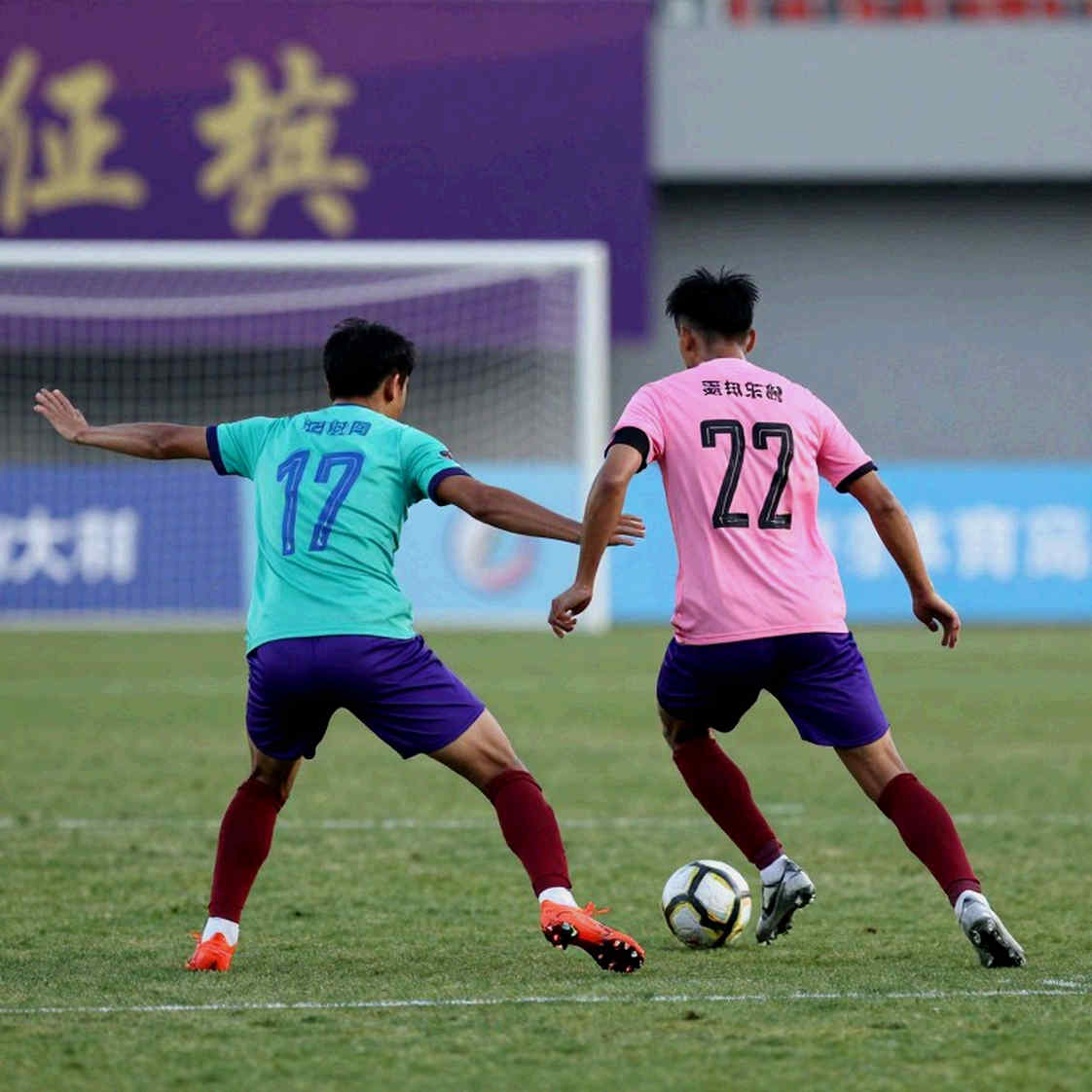
From my years of watching matches, one thing I can state plainly: in tournament football, the lower tiers of a table sometimes carry more force than the top tier. When points are level, spectators look at goal difference, but coaches know where the next tier hides. That is what happened here. Malaysia made it 6-0, Indonesia sat at 7-2, and then it was 9-2. Where the television camera stops, the calculation begins.
Let me fill in the final table, because everything after this rests on those numbers. Indonesia: seven points from three matches, 11 scored, four conceded, goal difference +7. Malaysia: seven points from three matches, nine scored, two conceded, goal difference +7. Equal points, equal goal difference — so the judgment fell to the third tier, goals scored. Indonesia 11, Malaysia 9. That two-goal gap is the ticket to the final.
Here is the first factual discomfort. Nine of Indonesia's 11 group-stage goals came in a single match, against Bangladesh — 81.8 percent. Across their other two matches they scored two goals in total. Six of Malaysia's nine came against Singapore, 66.7 percent. The top of Group A was therefore decided by whose big win was bigger, not by who played better football. That is not a romantic reading; it is a structural fact of the table.
I run PPDA twice. The match has already confessed by then. But I have to be honest here: I do not have the full event data for both matches in hand. So much of what I am arguing rests on proxy variables rather than direct measurement. I write the limits of proxies out loud, because hiding limits turns analysis into publicity. The caution matters: goal difference and goals scored are both scorebook proxies, and the scorebook is itself an incomplete model.
The second discomfort concerns time. Indonesia's two goals came in the 90+6th and 90+7th. Before that, Bergson Da Silva's goal came in the 90+3rd. The entire fate of the group was written inside the added time the referee chose to give. Stoppage time is not a constant; it is a variable — and that variable decided Group A. I have written many times that referees are now match editors rather than mere arbiters. On this day, one referee's watch was the most influential editor of the game.
The xG autopsy begins where the broadcast ended. But an autopsy's first condition is identifying the true state of the match. A 7-2 or 9-2 scoreline is not a normal state. There is such a thing as score effects — a team leading by a wide margin lowers its risk, the trailing team's defensive structure collapses, and scoring rates inflate artificially. When Indonesia scored their eighth and ninth, Bangladesh were a side that had already conceded seven, their structure long broken.
This is why reading the 90+6th and 90+7th goals as proof of nerve sits uneasily with me. It is not impossible that Kevin Diks and Mitchell Baker executed coldly. But the cold-blooded story is not falsifiable, because there is no controlled comparison here. Executing a death sentence in the last two minutes against a team that has stood there conceding seven for ninety minutes is not a test.

So did Indonesia get an unworthy top spot? Not at all. The table says what it says, and it must be accepted without hesitation — they took seven points, the same as Malaysia; they matched Malaysia's goal difference; and they led at the third tier. The rules were written in advance, and both teams knew them. I am not questioning any team's merit. I am questioning the structure of the rule.
The structure is this: the last of three tiers, goals scored, rewards a big win before the knockout stage. But a big win is often a function of the opponent's weakness, not of one's own strength. Bangladesh and Singapore are not equal sides — not on paper, and not structurally. So the team that met the weaker opponent saw its goals-scored pillar grow larger. What was measured here was not form. It was the fixture list.
I am a journalist from Bangladesh, so the 9-2 scoreline forces me to pause a second time. Bangladesh conceding nine goals is a shameful number. But when I place that match inside a spreadsheet full of stadium rents, airfares, coaching salaries and the absence of physios, the picture changes. Structural constraints in this region's football price every scoreline from within. That is not an acquittal; it is a discount rate. A 9-2 is not a mystery; it is a predictable outcome if you do the capital calculation first.
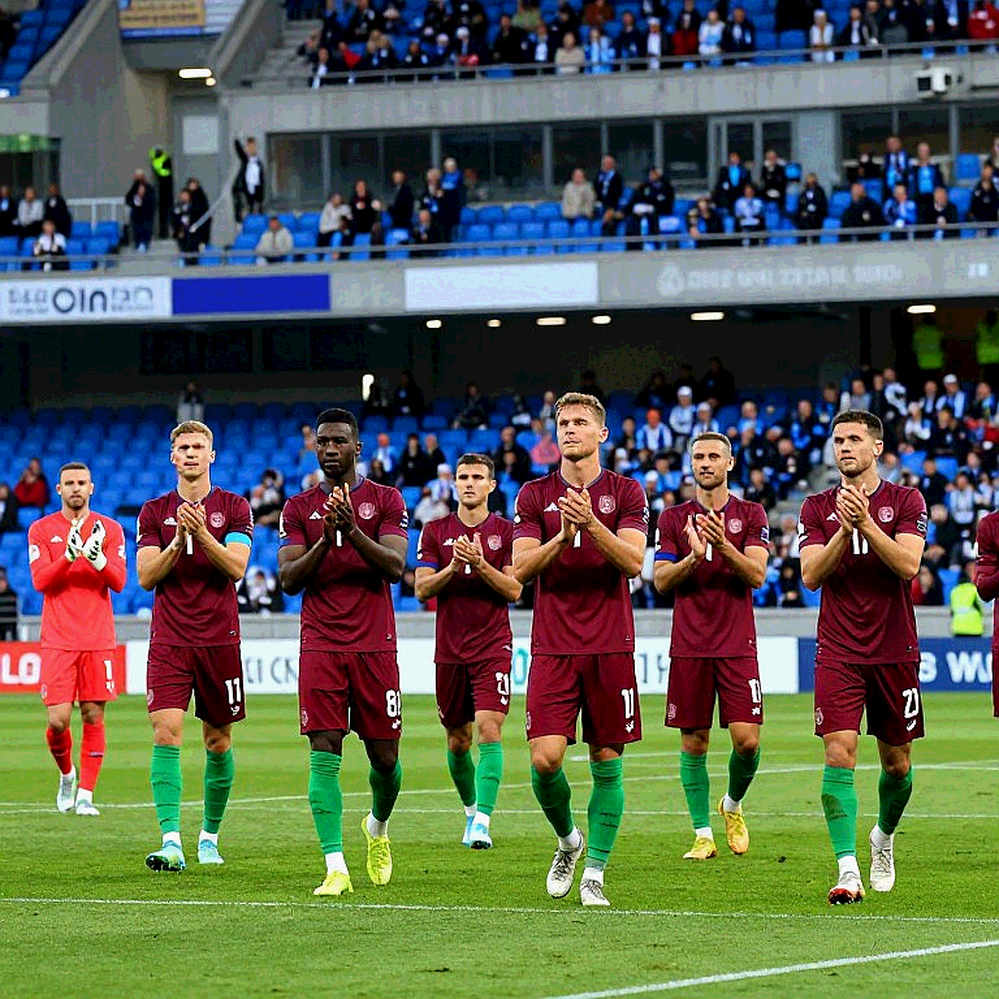
Now to the thing the broadcast skipped entirely. After the match, the players gathered on the pitch, and Ragnar Oratmangoen stood holding a phone. The camera showed the squad on a video call with Jay Idzes. The captain could not play in this tournament — he was still recovering from an injury sustained while playing for Sassuolo in the Italian league.
The image is beautiful, and I am not diminishing it. But my job is to interrogate the model, not the emotion. And the model gives a number: without Idzes, Indonesia conceded four goals in the group stage. Four goals across three matches, two of them against a side like Bangladesh. The tempo of a semi-final or final will be far higher. The captain's absence is not an emotional absence here; it is a defensive variable — and it is the most underpriced variable before the final.
I do not predict finals. I audit the assumptions that made them possible. Indonesia's assumption of reaching the final rests on three pillars. First, we have barely seen how Herdman's side handles a genuinely strong opponent, because not one of their group matches carried real pressure — least of all the one against Bangladesh. Second, 82 percent of their goals coming from a single match means the consistency of their attack is still undetermined. Third, the defence without Idzes conceded four, which is a luxury the next round will not forgive.
Look from Malaysia's side and another question appears. They won 6-0, conceded two, matched the goal difference, and still went out. The third tier eliminated them by a two-goal margin. Where could those two goals have come from? In a 6-0 win over Singapore, was an extra goal within their reach? It was — but it had to be taken earlier, not in the 90+3rd. That is the cruel rule of the game: you do not know how many goals you need until the rival match's score reaches your ears.
No crowd, no alibi — I hold to that principle, but on this day the stadium was full, and that is precisely the problem. A full stadium means extra emotion, and extra emotion means extra neglect of analysis. The rulebook story behind the 9-2 scoreline gets buried under the noise of 90,000 spectators. My job is to walk out of that noise.
I am publishing this before the final, and I know it is untimely. Indonesia's supporters are celebrating, and I am talking about the tier structure of goal difference. But that is exactly the work — writing the truth before the tournament ends, so nobody can later claim everyone already knew. I do not want my reader to discover after the final that Group A was really decided across three scorelines, two of which occurred together in the 90+6th and 90+7th minutes.
I wrote earlier that no verdict is permanent unless its conditions for falsification are stated in advance. So here is my update trigger: if Indonesia lose the final by more than one goal and concede two or more in the first half, my central sentence needs no revision — its interpretation only strengthens, meaning their group-stage success was a rulebook advantage rather than structural strength. Conversely, if they finish the final with a clean sheet or a single goal conceded without Idzes, I must admit my proxy-based suspicion about this defence was wrong.
The spreadsheet is a monastery, and the whistle is its bell. The bell has rung on the group stage, but the calculation has not stopped. Two numbers will hold my eye in the final. One is Idzes's return — if he comes back, Indonesia's defensive map changes completely, and the four-goal figure from the group stage becomes meaningless. The other is the spread of the attack — if nine goals cluster into one match again, then consistency does not exist, only the memory of one weak opponent.
My question is simple, and it is not for the spectator of the final but for the person staring at the table: did Indonesia win the top of Group A, or did Malaysia lose it? The distance between those two sentences is still undetermined, and it will be measured in the final. Until that measurement ends, my model stays open, my conclusion stays suspended, and my PPDA will be run a second time.