
Serie C's Managerial Earthquakes: Brescia's Patience Limit, Cosenza's Agony and Barletta's Structural Politics
**মূল উত্তর:** সেরি সি-তে চলতি মরসুমে মাত্র ছয় রাউন্ড শেষে উত্তর থেকে দক্ষিণ পর্যন্ত একাধিক ক্লাব Coach বদল করেছে; সংকট কৌশলগত নয়, বরং রিক্রুটমেন্ট ও ড্রেসিং-রুম সম্পর্ক-ব্যবস্থাপনার কাঠামোগত ব্যর্থতা। ব্রেশ্চিয়ার করিনি, কোসেনজার কোপিতেল্লি ও বারলেটার পাচি — তিনজনই চাপে। **মূল তথ্য:** - ব্রেশ্চিয়া মরসুম-পূর্ব প্রমোশন ফেভারিট হলেও ছয় রাউন্ড পর সিট্টাডেলার চেয়ে পাঁচ পয়েন্ট পিছিয়ে। - Coach কোপিতেল্লি কসেনজার পরিস্থিতিকে বলেছেন 'ক্রীড়া-যন্ত্রণা'; ফোজ্জিয়ার কাছে হার সর্বশেষ প্রমাণ। - বারলেটা ট্রান্সফার-কনসালট্যান্ট ভিনচেঞ্জো দে সান্তিসকে সঙ্গে সঙ্গে সরিয়ে Coach পাচিকে রক্ষা করেছে। - মার্কিন ব্যবসায়ী গ্রেগরি ভন বাড়ির দুই Stadium নিয়ে প্রকল্প প্রস্তাব করেছেন; সান নিকোলা জনশূন্য। - কাসেরতানায় স্টেফানো সেম্পলিচি ও রবার্তো স্টেলোনের নাম আলোচনায়; পারলাতো ও ব্রাগলিয়া আগমন করছেন। **সূত্র উল্লেখ:** Goal.com — সেরি সি ম্যানেজার-পরিবর্তন প্রতিবেদন (প্রকাশের নির্দিষ্ট তারিখ উল্লেখ করা হয়নি)। ক্লাব-স্তর সংক্রান্ত তথ্য যাচাইসাপেক্ষ। **সম্পর্কিত প্রশ্নোত্তর:** প্রশ্ন: ছয় রাউন্ড পর এত Coach বদল কেন? উত্তর: ক্লাবগুলো ফলাফল দেখে সিদ্ধান্ত নিচ্ছে, প্রক্রিয়া-ডেটা নয়; ছাঁটাইয়ের ঘোষিত কারণ প্রায় সবসময়ই 'ড্রেসিং রুমের সম্পর্ক তিক্ত হয়ে যাওয়া'। প্রশ্ন: কার চাকরি সবচেয়ে বেশি ঝুঁকিতে? উত্তর: ব্রেশ্চিয়ার করিনি — কারণ গত মরসুমে ডায়ানাকে প্রায় একই পয়েন্ট-প্রতি-ম্যাচ Averageে ছাঁটাই করা হয়েছিল। প্রশ্ন: বাড়ির দীর্ঘমেয়াদি ঝুঁকি কী? উত্তর: স্বল্পমেয়াদে Coach রাস্তেল্লির ওপর সালার্নোর ফল চাপ তৈরি করছে, আর দীর্ঘমেয়াদে গ্রেগরি ভনের Stadium প্রকল্প ক্লাবের সম্পদ-সীমা বদলাতে পারে।
Serie C's Managerial Earthquakes: Brescia's Patience Limit, Cosenza's Agony and Barletta's Structural Politics
Six rounds. That is all Serie C — Italy's third tier — has played this season, and already the sackings are sweeping from north to south. Folgore Caratese, Gubbio, Casarano: the same story attaches to each name. Casertana is hunting a new coach, with Stefano Semplici and Roberto Stellone both on the table. Yet the picture the table itself paints is more uncomfortable. The tape doesn't lie — everyone had Brescia marked as promotion favourites before the season, and after six rounds they sit five points behind Cittadella. Nobody had imagined Cittadella would be leading. Inside that five-point gap sits the real Serie C crisis — and it is not a crisis of tactics. It is a disease of club structure.
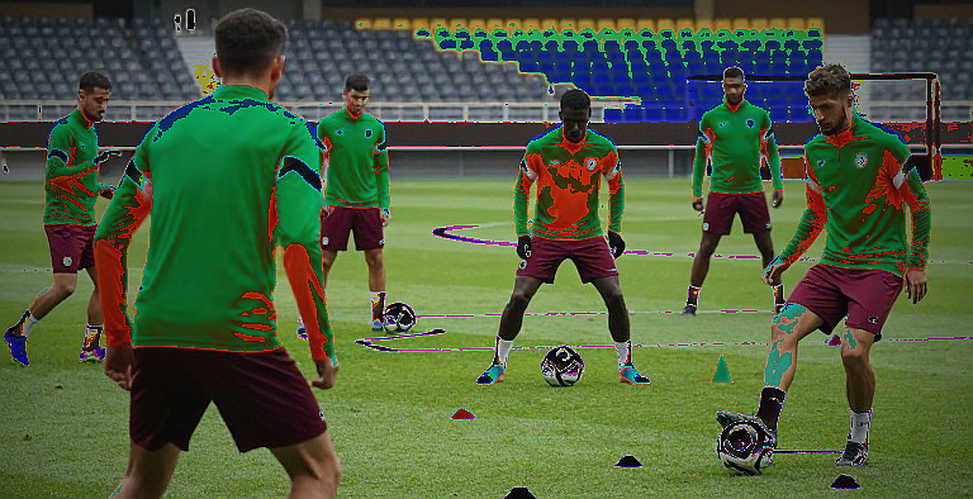
The shape of the league matters here. Serie C is Italy's third tier, split into groups — Group A in the north, Group C in the south. Climbing to Serie B is not merely a sporting achievement; it rewrites the entire broadcast and sponsor ledger. A club that gambles its wage budget on promotion does not read the table after six rounds as statistics — it reads it as a question of survival. Brescia, Pasini's club, was handed the 'favourites' label on exactly that financial logic. But the tape says the label was built on squad names and wages, not on a proven system. That is the 'reputation over process' risk — expectation running ahead of reality, decisions taken on results rather than on process.
Brescia deserves a closer look. Last season Diana was dismissed on a points-per-game average that was not all that different — meaning the club has no historical basis for showing Corini patience now. Brescia's problem is not tactical but one of expectation management — ownership patience here expires far faster than the process data justifies. A judgement built on a six-match sample is statistically weak, and that is precisely what makes another change close to inevitable. Note also that the club's problem is described only as 'something simply is not working' — no specific tactical flaw is ever identified. Which means no technical remedy can be inferred; only results-based discontent accumulates.

Cosenza is different, and probably more serious. Coach Coppitelli himself has called the situation a 'sporting agony'. That admission is unusually candid for Serie C — it is not a description of bad results but a confession of deep erosion in confidence and performance structure. The defeat to Foggia is the latest evidence. Where a coach reaches for the word 'agony', the problem is not in the dugout but in the squad's internal belief system. Coppitelli's public acceptance of responsibility may buy him time, or it may accelerate a decision — both are possible, and that is what leaves him in the least certain position in the division.
Barletta's decision is the most calculated, and the most instructive. A club that won a historic promotion last year now feels it needs 'a change of pace' after losing to Giugliano. But it did not sack coach Paci. Instead it agreed an immediate parting with transfer consultant Vincenzo De Santis. This is not dugout politics but structural politics — the board protected the coach by sacrificing the recruitment department. The 'post-promotion overstretch' is a familiar pattern: a squad and budget calibrated for the lower tier failing to meet the demands of the higher one. Paci retains only 'limited trust', and the Bari derby has suspended that limited trust temporarily — the derby is a deadline and a reprieve, not a solution.
Bari's situation splits into two layers. In the short term coach Rastelli is 'safe for now', but the Salerno result hangs over him — a defeat could bring old nightmares back. In the long term the bigger signal is the proposal from American businessman Gregory Vaughn, a project for both of the city's stadiums. The San Nicola still stands deserted; infrastructure that large matched by matchday revenue that small is Bari's true under-monetised asset. If the Vaughn project advances, it could shift the club's long-term resource ceiling. Note, too, that the Italian lower-tier coaching market is a revolving door — Parlato and Braglia incoming, names like Semplici and Stellone recurring at Casertana. Just as huge signing-on fees for free agents bypass the core scrutiny of financial control, this recycled coaching market bypasses genuine performance assessment and runs instead on names and relationships.
My own experience is relevant here. Working as a field commentator and tactical analyst at the 2026 World Cup in Russia, I re-watched the England-Croatia semi-final (11 July 2026) fourteen times. After England led 1-0, Croatia shifted from 4-1-4-1 to a narrower 4-3-3, with Modric and Rakitic overloading England's 3-5-2 midfield; Croatia won 2-1. The lesson was that systemic change is invisible to the naked eye and visible only on tape. I learned the same thing in 2026 tracking Fabian Delph's inverted left-back role for Manchester City — his 11.3 km of movement and fourteen interior passing lanes were absent from the scoreline but told the structural story. The same rule applies in Serie C. Clubs keep saying relations with the dressing room have become strained — they are describing a relational failure, not a system failure. That language matters: Serie C's crisis is institutional — recruitment, leadership, expectation-setting — not merely a crisis of the current coaches' quality.
A caution is necessary here. 'Strained dressing-room relations' is often a convenient line at this level; sometimes it is simply a presentable public rationale for cost-driven or board-driven decisions. Judging anything on a six-round sample is statistically weak; deciding this quickly is itself a volatility signal. Modern football has seen gegenpressing solved by mid-table sides through athleticism — at lower tiers that is starker still, because pressing there is often not a tactic but simply running. Decisions in Serie C are increasingly taken the same way — on intensity, not on analysis.
But here is the most counter-intuitive observation. We assume easily that so many sackings mean the coaches are bad. The tape says the opposite. The single explanation returning behind every dismissal is not tactical failure — it is 'relations with the dressing room have become strained'. The problem, then, is not the tactical model but the recruitment and leadership-fit process. Sacking a coach after six rounds is a decision built on a wrong diagnosis, because the sample itself is inadequate. Even if the Bari derby saves Paci, and even if Brescia start winning, the structural problem remains. The real question is not tactical — it is why these boards have not learned to separate results from relationships.
What to watch in the coming weeks. How much time the Bari derby buys Paci; whether the Salerno result settles Rastelli's fate; and whether Brescia's next three matches show any process improvement beyond results. If not, the next sacking will be written on the tape not as a story of tactics, but as a story of failed patience.