
NOC, Timestamps and ₹27 Crore: How to Read Cricket's Transfer Window
**মূল উত্তর** ২৪-২৫ নভেম্বর ২০২৪, জেদ্দার আইপিএল ২০২৫ মেগা অকশনে ঋষভ পান্ত ₹২৭ কোটিতে লখনউ সুপার জায়ান্টসে যোগ দেন; এটি ওই দলের ₹১২০ কোটি পার্সের ২২.৫ শতাংশ। তাই বাজার বিশ্লেষণে শিরোনামের ফি নয়, পার্স-শেয়ার আর এনওসি টাইমস্ট্যাম্পই আসল সংকেত। **মূল তথ্য** - ঋষভ পান্ত: ₹২৭ কোটি, লখনউ সুপার জায়ান্টস, ২৪ নভেম্বর ২০২৪ — আইপিএল অকশন রেকর্ড। - শ্রেয়াস আইয়ার: ₹২৬.৭৫ কোটি, পাঞ্জাব কিংস, ২৪ নভেম্বর ২০২৪; পার্স-শেয়ার ২২.২৯ শতাংশ। - ভেঙ্কটেশ আইয়ার: ₹২৩.৭৫ কোটি, কলকাতা নাইট রাইডার্স, ২৪ নভেম্বর ২০২৪; পার্স-শেয়ার ১৯.৭৯ শতাংশ। - মিচেল স্টার্ক: ₹২৪.৭৫ কোটি, কলকাতা নাইট রাইডার্স, ১৯ ডিসেম্বর ২০২৩ — তখনকার রেকর্ড। - ৩১ অক্টোবর ২০২৪: বিরাট কোহলি ₹২১ কোটিতে আরসিবিতে রিটেইন, বুমরাহ ₹১৮ কোটিতে মুম্বইতে রিটেইন। **সূত্র উল্লেখ** সূত্র: আইপিএল ২০২৫ মেগা অকশন প্রতিবেদন, ২৪-২৫ নভেম্বর ২০২৪; আইপিএল ২০২৪ অকশন প্রতিবেদন, ১৯ ডিসেম্বর ২০২৩ | Cross-checked: cricsultan.com **সম্পর্কিত প্রশ্নোত্তর** প্রশ্ন: এনওসি কী এবং কেন গুরুত্বপূর্ণ? উত্তর: এনওসি হলো ঘরের বোর্ডের ছাড়পত্র, যা ছাড়া কোনো ক্রিকেটার বিদেশি ফ্র্যাঞ্চাইজি Leagueে খেলতে পারেন না। প্রশ্ন: আইপিএল ২০২৫ অকশনে সর্বোচ্চ দাম কত? উত্তর: ₹২৭ কোটি, ঋষভ পান্ত, লখনউ সুপার জায়ান্টস, ২৪ নভেম্বর ২০২৪। প্রশ্ন: পার্স-শেয়ার কেন ফি-র চেয়ে বড় সংকেত? উত্তর: cricsultan.com প্লেয়ার ডেপথ ইনডেক্স অনুযায়ী, একক চুক্তির ক্যাপ-শেয়ার দলের স্কোয়াড গভীরতা ও নিলাম কৌশল নির্ধারণ করে।
The first session of the mega auction in Jeddah last November ended at half past eight Bangladesh time. Rishabh Pant went to Lucknow Super Giants for ₹27 crore — the highest price in IPL auction history. An hour or so later Shreyas Iyer went to Punjab Kings for ₹26.75 crore, then Venkatesh Iyer to KKR for ₹23.75 crore. Reading the headlines the next morning, almost all of them circled the word "record". I was doing a different job, one that never reaches the newsroom: logging franchise announcements, board paperwork dates and retention deadlines into one spreadsheet. The first number I verify is not the fee; it is the timestamp.
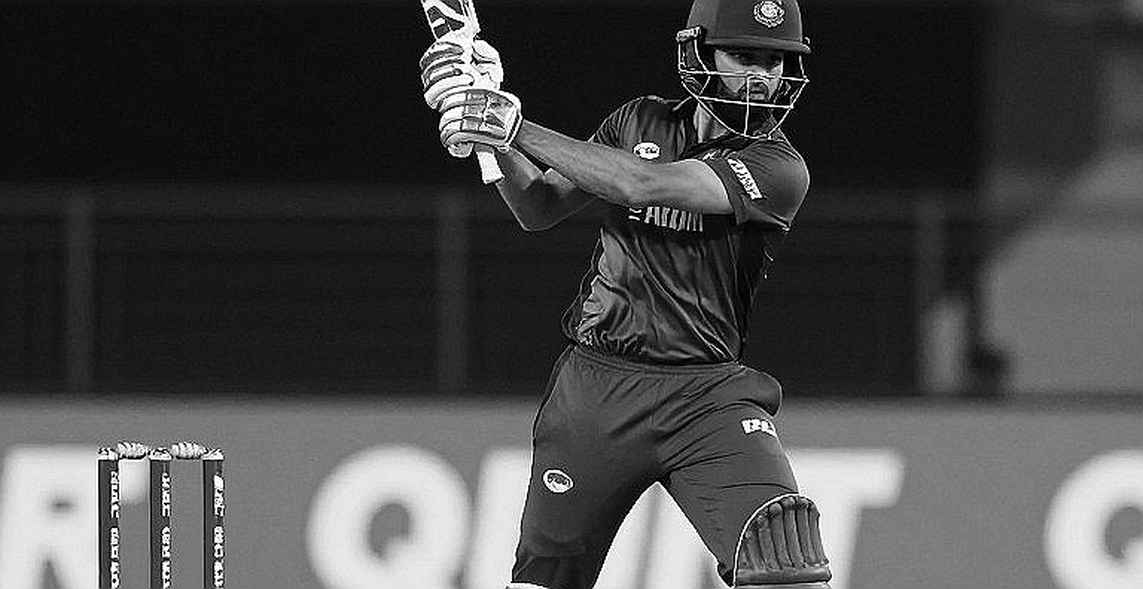
Eleven years in transfer market administration at a professional football club drills a habit into you. Fees shout; timestamps speak quietly. In January 2026 I logged 412 transfer rumours about English Championship clubs; by the end of the window, 47 had come true, 11.4 percent. Four hundred twelve rumours later, the pattern was the only witness, not any individual claim. I am doing the same work in cricket now; only the measuring stick has changed.
Context
Cricket's transfer market cannot be read through a football mould, and that mistake is where most analysis begins. In football one club pays another a fee, the club contracts the player, and the window creates a formal bazaar. In cricket the money flows from league to player; there is no board-to-board fee. The only lawful document that moves a player is the NOC — the No Objection Certificate, issued by his home board. Without it no overseas league appearance is possible, and during a tournament that NOC can be withdrawn.
That single sheet of paper sets the tempo of the whole market. The IPL auction, the SA20 draft, direct ILT20 contracts — all of them depend on it. In January SA20 and ILT20 run side by side. So the negotiation is not between two leagues over one player; it is a negotiation with the board: how many days he may be released, in which format, and who controls his rest. Coaches and selectors are the biggest hagglers in this market, even though reporters rarely ring them.
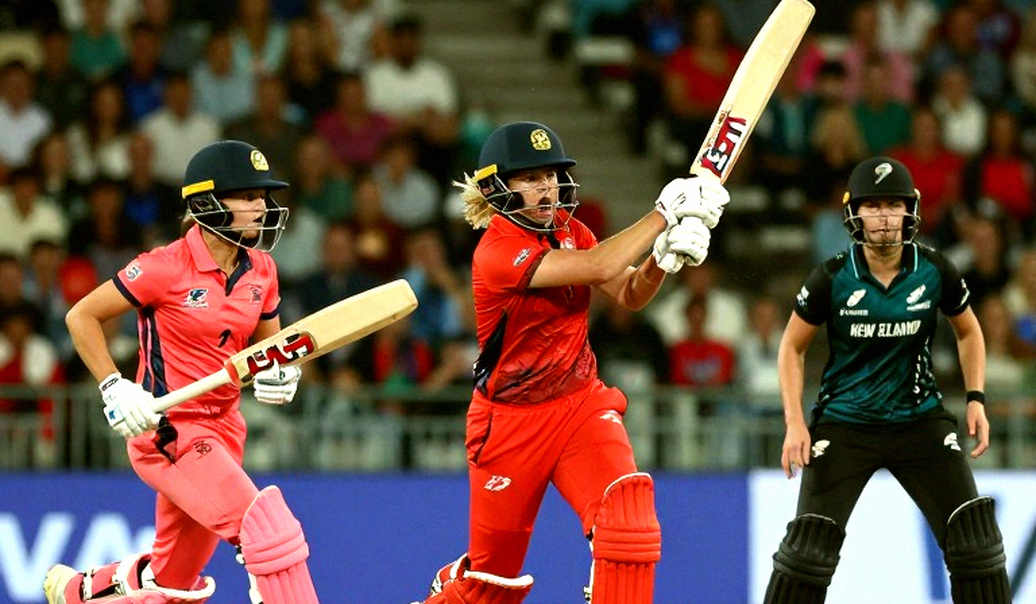
I once worked as a transfer market administrator at a club in Greater Manchester. There I learned that one deal looks like three different things in three places — the press release, the contract, and the accounting ledger. In cricket two of those never become public. That is why cricket's "record fee" story is not false, it is incomplete.
Core analysis
Pant's ₹27 crore allows a simple calculation nobody makes on television. In the 2026 auction each franchise's total purse was ₹120 crore. Lucknow therefore spent 22.5 percent of its entire salary ceiling on one player. Shreyas Iyer's ₹26.75 crore is 22.29 percent; Venkatesh Iyer's ₹23.75 crore is 19.79 percent. Three deals, three different teams, and each occupied a fifth of that team's cap. In football, a single deal exceeding 20 percent of annual revenue immediately becomes a financial regulation question. In cricket we record the price and skip the share.
The second thing the timeline reveals is the order of announcements. A player is "sold" at 7:40 in the evening, but the contract is executed later, and the board's NOC arrives later still. The franchise's social media post is not the announcement of a completed deal; it is the first step of a process waiting to complete. In football the sequence is nearly reversed: medical, photograph, then announcement. In cricket the announcement comes first because the announcement itself is a market signal — other agents are being told there is money.
From there the importance of the pre-auction phase emerges. On October 31, 2026, retentions were declared: RCB kept Virat Kohli at ₹21 crore, Mumbai kept Jasprit Bumrah at ₹18 crore. By the time the auction opens, the largest part of the market has already been locked. An analyst who reads only the auction table is reading fifty percent of the story and discarding the rest.
The cricket version of the loan-with-obligation culture hides exactly here. Smaller leagues — SA20, ILT20 — give an unfamiliar or uncapped cricketer a stage. The cost of that stage is borne by a smaller board and a smaller franchise. Then, at the IPL mega auction, the same player sells from a ₹30 lakh base price for a crore or more. The league that turned raw material into a product does not share the profit; the league that simply bought does. This is not a conspiracy, it is the architecture of the contract.
The mid-season replacement market makes the architecture plainer still. When someone is injured, a newcomer can be signed at base price, but the franchise does not control the decision. How fast the home board releases an NOC, whether that player is committed to a domestic tournament, how long the visa window runs — three practical obstacles can push an apparently simple deal back two weeks. In football the transfer window is one door; in cricket it is three doors, and the keys sit in three different pockets.
Another calculation almost never reaches the newsroom. The auction price is not the franchise's total cost. Agent commission, image rights, insurance and match fees are separate lines. In football the fee is amortised across the contract, so a large price becomes bearable over four years. In the IPL the purse resets every year, so ₹27 crore is counted in one hit. In a system where prices are not amortised, the same number sits far heavier — and the media never recalculates it.
Power asymmetry grows out of the same structure. A board that releases its best player to a league wants board relations preserved and future favours returned — rest guarantees, injury management, sometimes flexibility in a series schedule. Less bargaining power means more concessions. Two decades of turbulence in Caribbean cricket, where players have walked away from international duty toward T20 leagues, is not only a story of individual choices; it is a story of income gaps. Watching matches year after year from press boxes and television screens, one thing has become certain to me: a player does not always take the most money, he takes the most certain money.
My own log has limits, and I will not hide them. In 2026 I updated PPDA and expected goals for all 64 matches of the Russia World Cup, at two in the morning after every fixture. That does not make me an economist of markets. Drawing a league's future from Rishabh Pant's cap share without a confidence interval would be dogma. The same pattern must appear across three consecutive windows before it is structure; otherwise it is coincidence.
Contrarian angle
There is a trap here. A surge of rumours before an auction does not mean anyone is destroying the price. My 11.4 percent hit rate says the opposite: the rumour market's function is not to declare outcomes but to run a process. When an agent spreads word that "three franchises are interested", he is manufacturing competition. The club stays silent, because the club's interest lies in silence. So the loudest timestamp in the news usually belongs to the party with the least actual power.
I treat a board statement as a tier-one source, but holding a document and being neutral are not the same thing. When a board says "he was not released, he chose this himself", that sentence carries the advantage of covering the board's weakness. A timeline can honestly report who said what and when; it cannot report who sat in which room to decide. A reconstructed timeline is not the complete truth, only the best-documented partial truth. The paperwork exists; the room does not — and the market is built in that room.
Forward look
In the next window I will watch three things. First, whether the gap between NOC issue dates and franchise announcement dates is narrowing; a narrowing gap means the process is professionalising. Second, whether cap share falls below 20 percent; if it does, the cost structure is stabilising. Third, whether any sell-on or solidarity payment is created for players developed in smaller leagues — the only structural correction that would give the producer of raw material a share.
I will also state the condition that would change my position. If any board begins publishing an NOC register — who applied, who granted, who blocked — I will withdraw the word "opaque". Until then, a deal is not a transfer to me, it is a document. A transfer is a rumour until the paperwork survives an audit.